


St. Louis Car Accident Lawyer
A car accident goes beyond a crash. You’re left sorting out medical bills, missed paychecks, and an insurance adjuster who won’t stop calling. A St. Louis car accident lawyer at Hipskind & McAninch takes that fight off your plate so you can focus on getting better.
Our team has handled crash claims across St. Louis City, St. Louis County, and the Metro East for years, and we know exactly how the insurance side operates from the inside.
Call 618-641-9189 for a free case review, and we’ll walk through what happened and what your options look like.
Table Of Contents
St. Louis Car Accident Lawyer Why St. Louis Drivers Call Hipskind & McAninch After a Crash What Types of Car Accident Cases Does Hipskind & McAninch Handle? Do I Need a Lawyer After a Car Accident in St. Louis? What Should I Do After a St. Louis Car Accident? Where Do Most St. Louis Car Accident Claims Come From? How Long Do I Have to File a Car Accident Claim in Missouri? What Is My Car Accident Claim Worth in St. Louis? How Do St. Louis Construction Zones and Winter Conditions Affect Local Claims? What If the Insurance Company Blames Me for the Accident? How Does the Car Accident Claim Process Work?Why St. Louis Drivers Call Hipskind & McAninch After a Crash
Brady McAninch and John Hipskind built this firm on a background most personal injury lawyers don’t have. Both spent years defending large companies and insurance carriers before switching sides.
Clients get direct access to our attorneys and are not handed off to paralegals or junior staff.
Hipskind & McAninch has recovered more than $50 million for injured clients, holds Super Lawyers Rising Stars recognition three years running, and carries hundreds of five-star Google reviews from people who went through exactly what you’re going through now.
What Types of Car Accident Cases Does Hipskind & McAninch Handle?
Car accident claims vary depending on how the crash happened and who was involved. Hipskind & McAninch represents clients across a range of collision types, each with different insurance and liability considerations.
- Rear-end collisions, where fault often rests with the following driver but disputes still arise over injury severity.
- Intersection and T-bone crashes, which frequently involve conflicting accounts of right-of-way.
- Multi-vehicle pileups, where determining each driver’s percentage of fault becomes more complex.
- Rideshare accidents involving Uber or Lyft drivers, which raise separate questions about which insurance policy applies.
- Commercial truck accidents, which may involve the driver, the trucking company, and a maintenance contractor as separate parties.
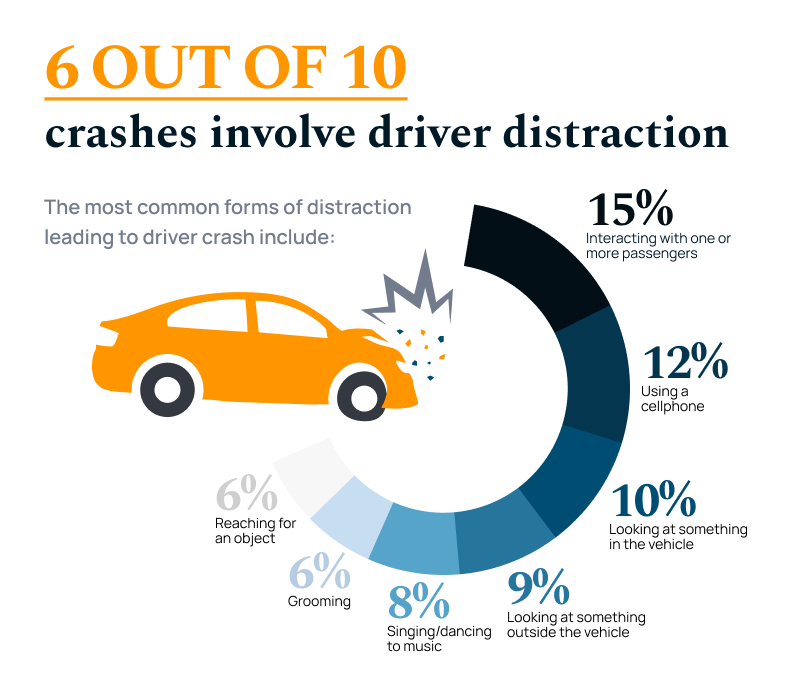
Source: farrislaw.net
Each of these categories calls for a different approach to evidence and liability. A rideshare crash, for example, requires identifying whether the driver was logged into the app at the time, which affects which insurance policy is in play.
Do I Need a Lawyer After a Car Accident in St. Louis?
Yes. If you suffered an injury, if fault is disputed, or if the insurance company has already offered a settlement, a lawyer is advised.
A lawyer helps resolve your case when:
- The other driver’s insurer is disputing fault or blaming you for part of the crash.
- You were hurt badly enough to miss work or need ongoing medical treatment.
- A commercial vehicle, rideshare driver, or government vehicle was involved.
- The insurance company has offered a settlement before you’ve finished treatment.
- You’re not sure what your claim is actually worth.
Any one of these situations changes the math on what you might recover. Insurance companies count on injured people settling fast because the paperwork is confusing and the bills are piling up. A lawyer who has handled these cases before knows which of these signals matter most and how to respond to each one.
What Should I Do After a St. Louis Car Accident?

After a St. Louis car accident, there are several steps you should take to protect your health and your claim.
- See a doctor within a few days even if you feel fine, since some injuries like whiplash or concussions show up later.
- Keep every medical bill, receipt, and record tied to the accident in one place.
- Avoid posting about the crash or your injuries on social media.
- Do not give a recorded statement to the other driver’s insurance company without talking to an attorney first.
- Follow your doctor’s treatment plan exactly, including missed-work notes if applicable.
Each of these steps builds the paper trail that supports your claim later. Insurance adjusters look for gaps between the accident and treatment, and they use those gaps to argue your injuries weren’t serious or weren’t caused by the crash.
Where Do Most St. Louis Car Accident Claims Come From?
Certain stretches of St. Louis roadway generate a disproportionate share of car accident claims, and knowing which ones matters when building a case. The I-70/I-64 split downtown, the I-44/I-55 interchange near Kingshighway, and the Poplar Street Bridge into Illinois see some of the heaviest merge-related crash volume in the metro.
A few locations come up often in claims from this area:
- The I-70/I-64 downtown split, where lane changes happen fast and merging traffic backs up during rush hour.
- The I-44/I-55 interchange near Kingshighway, a frequent site of rear-end and side-swipe collisions during peak congestion.
- South Grand and the Grand Boulevard corridor, where pedestrian and cyclist traffic mixes with cars near dense commercial blocks.
- The Poplar Street Bridge connecting downtown St. Louis to Illinois, where bridge congestion often causes sudden stops.
- Delmar Boulevard through the Loop, where street parking and nightlife traffic create frequent low-speed collisions with higher pedestrian risk.
One recent claim handled by the firm involved a driver rear-ended in stop-and-go traffic approaching the I-44/I-55 interchange during evening rush hour. The insurance company initially argued the driver had time to stop, but traffic camera footage from the interchange showed the lead vehicle braking suddenly for a lane closure, supporting the claim that the crash wasn’t avoidable at normal following distance.
These patterns shape how a claim gets investigated from the start. A crash on the Poplar Street Bridge raises different evidence questions than one on a residential stretch of South Grand, and knowing the difference before the first call to the insurance company changes how the case gets built.
How Long Do I Have to File a Car Accident Claim in Missouri?
Missouri gives most car accident victims five years from the date of the crash to file a lawsuit, under Missouri Revised Statutes Section 516.120. That deadline applies broadly to negligence-based injury claims, but a few case types run on shorter timelines.
| Claim Type | Deadline in Missouri | Clock Starts |
|---|---|---|
| Car accident injury | 5 years | Date of crash |
| Property damage from a crash | 5 years | Date of crash |
| Wrongful death from a crash | 3 years | Date of death |
| Claim against a government entity or vehicle | As short as 90 days for notice | Date of crash |
Missouri also follows a pure comparative fault rule, meaning a driver found partly at fault may still recover damages reduced by their share of responsibility, rather than being barred from recovery entirely.
This principle traces to RSMo Section 537.765 and has been applied by Missouri courts to negligence claims, including car accidents, for decades.
What Is My Car Accident Claim Worth in St. Louis?
Your car accident claim’s value depends on your medical bills, lost income, property damage, and the pain and disruption the crash caused in your life.
No two claims land at the same number, and any website or adjuster promising an exact figure before reviewing your medical records isn’t giving you an honest answer.
Several factors shape what a claim is worth:
- Total medical expenses, including future treatment your doctor expects you’ll need.
- Wages lost from missed work, plus any long-term impact on your earning capacity.
- The severity and permanence of your injury.
- How clearly fault can be established against the other driver.
- Available insurance coverage on the at-fault driver’s policy.
How Do St. Louis Construction Zones and Winter Conditions Affect Local Claims?
Ongoing construction on I-64 and I-270, combined with ice buildup on elevated sections like the Poplar Street Bridge and the I-44/I-55 interchange, creates crash patterns specific to this region. Lane shifts through active work zones and bridge decks that freeze before surrounding roads both show up repeatedly in claims from this area.
A few conditions come up in local claims:
- Sudden lane closures through active construction zones on I-64 or I-270, often with limited advance warning signage.
- Bridge decks and overpasses that freeze before the surrounding roadway, including the Poplar Street Bridge and elevated sections near downtown.
- Reduced shoulder space in work zones, which leaves less room to avoid a sudden stop ahead.
- Debris or uneven pavement transitions where lanes shift around construction barriers.
One claim the firm handled involved a driver who lost control on an icy overpass near downtown while the surrounding streets were still clear, a pattern common on elevated roadway sections in this region. Weather records and MoDOT maintenance logs for that stretch supported the claim that the overpass had iced before crews treated it, which became central to establishing that road conditions, not driver error, caused the crash.
Construction zone and winter crashes both raise a similar question: whether the road itself, not just the drivers on it, contributed to the crash. Pulling maintenance records, work zone permits, or weather data from the right agency early on is often what separates a straightforward driver-fault claim from one that also involves a government or contractor liability angle.
What If the Insurance Company Blames Me for the Accident?
You can still recover compensation even if the insurance company argues you share some fault for the crash. Missouri’s comparative fault approach reduces your recovery by your percentage of responsibility rather than eliminating it.
A few tactics adjusters commonly use to shift fault or shrink a payout include:
- Asking for a recorded statement early, then using your words out of context later.
- Requesting broad medical authorization that lets them dig through unrelated history.
- Offering a fast, low settlement before your treatment or injuries are fully understood.
- Disputing the timeline of your symptoms to argue they weren’t caused by the crash.
- Delaying communication to pressure you into accepting less out of frustration.
Recognizing these patterns early changes how a claim plays out. Because our founding attorneys spent years on the defense side of these exact negotiations, we know which of these moves are standard playbook and which ones signal an adjuster is preparing to lowball a case.
How Does the Car Accident Claim Process Work?
The process starts with a free consultation where we review what happened and identify the insurance coverage involved. From there, we handle communication with the insurance company directly so you’re not fielding calls while you’re trying to recover.
Once your treatment reaches a point where your medical picture is clear, we build a demand package covering your bills, lost wages, and the impact of the injury, and negotiate from there.
If the insurance company won’t offer a fair number, we’re prepared to file suit and take the case through St. Louis City or St. Louis County courts.
Why Local Court Experience Matters

Filing a car accident lawsuit in St. Louis City or St. Louis County involves procedural rules, filing deadlines, and local court practices that differ from other Missouri jurisdictions.
Hipskind & McAninch has litigated personal injury claims in both courts and structures, each case with that local procedure in mind from the outset of representation.
This matters most when a case does not settle through negotiation. Insurance companies track which firms are prepared to file suit and take a case to trial, and that preparation affects how a claim is valued during settlement talks, not just after a case reaches a courtroom.
FAQ for St. Louis Car Accident Lawyer
Hipskind & McAninch works on contingency, so there’s no upfront cost and no fee unless we recover compensation. Our baseline fee is 33 percent, though the exact percentage may vary depending on your case.
Straightforward claims may resolve in a few months, while cases involving serious injury, disputed fault, or litigation can take a year or longer. Treatment needs to reach a stable point before a fair settlement number can be calculated.
Avoid admitting fault, speculating about your injuries, or giving a recorded statement before speaking with an attorney. Adjusters may use early statements to minimize what they owe later.
Yes, you may still hire a lawyer weeks or even months after a crash, as long as you’re within Missouri’s five-year filing deadline. Earlier is better for preserving evidence, but a delayed start doesn’t automatically bar your claim.
Yes, Missouri requires drivers to carry minimum liability coverage, though many drivers carry only the state minimum, which may not cover serious injuries. This is part of why checking your own uninsured motorist coverage matters after a crash.
No. An attorney familiar with insurance negotiation tactics often moves a claim forward faster than an unrepresented person dealing with delay tactics alone.
Talk to a St. Louis Car Accident Lawyer Today
Hipskind & McAninch gives clients direct access to their attorney, a transparent fee structure, and insider knowledge of how insurance companies build their defense. Call 618-641-9189 for a free consultation, and let’s talk through what happened and what comes next.