

Rideshare Accident Lawyer

Getting hurt in an Uber or Lyft crash can be scary. You were a passenger, or another driver hit the rideshare car you were riding in, and now two or three insurance companies point at each other instead of paying your claim.
Rideshare accident lawyers at Hipskind & McAninch, LLC, represent people hurt in rideshare crashes throughout the Metro East and St. Louis area. We have recovered over $50,000,000 for our clients and have 500+ Five-Star Google Reviews.
A rideshare crash is a type of car accident case, but the insurance picture behind it works differently than a normal two-car wreck. Uber and Lyft carry layered commercial policies that only apply during certain parts of a trip, and figuring out which policy covers your injury is part of our job.
Call us for a free consultation. We are available 24/7 at 618-641-9189. Big firm result, small firm care. Every case, every time.
How Hipskind & McAninch Helps After a Rideshare Crash
Both founders at Hipskind & McAninch spent years representing corporations and insurance companies before they started representing injured people. That background matters most in a rideshare case, where Uber and Lyft write their policies specifically to limit what the company pays out after a wreck.
We know which policy applies at each stage of a trip, what an adjuster is likely to argue, and what proof shuts that argument down early.
When we take on a rideshare accident case, our work generally includes the following:
- Pulling the driver’s trip status at the moment of the crash to identify which insurance policy applies
- Requesting trip data, GPS logs, and driver information directly from Uber or Lyft
- Dealing with more than one insurance adjuster at the same time, since a rideshare claim often involves the driver’s personal insurer and the company’s commercial insurer together
- Pursuing a claim against the at-fault driver directly when a rideshare policy alone will not cover the full loss
- Calculating the value of long-term medical care, not just the first round of bills
Rideshare companies and their insurers are large, well-funded operations with lawyers on staff. Having someone on your side who used to work for companies like these levels out that imbalance from day one.
How Does Rideshare Insurance Coverage Work in Illinois and Missouri?
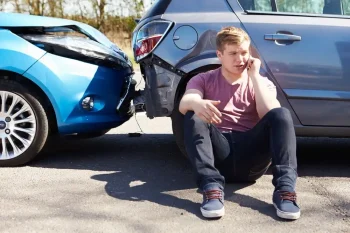
Illinois and Missouri both tie rideshare coverage to the driver’s app status, and the required limits in the two states track closely.
Under the Illinois Transportation Network Providers Act, 625 ILCS 57/10, a driver who is logged on but waiting for a request must carry at least $50,000 per person, $100,000 per incident, and $25,000 in property damage coverage.
That figure rises to $1,000,000 in primary liability coverage once the driver accepts a ride request. Missouri sets the same tiers under RSMo 379.1702, with at least $1,000,000 available while a driver is engaged in a prearranged ride.
| App Status at the Time of the Crash | Insurance Policy That Applies | Typical Coverage Available |
|---|---|---|
| The driver’s app is off | The driver’s personal auto policy only | Whatever liability limits the driver carries privately |
| The app is on, driver is waiting for a ride request | Contingent liability coverage through the rideshare company | Often limited, subject to policy terms and state minimums |
| Driver is en route to a pickup or has a passenger in the car | The rideshare company’s commercial liability policy | Coverage may reach up to $1,000,000 depending on the circumstances |
That difference in coverage is why rideshare companies and their insurers pay close attention to app status after a crash. An insurer that can argue the driver’s app was off, or that the driver had already dropped off the last passenger, is an insurer trying to shift your claim onto a smaller personal policy instead of the company’s larger commercial one.
What are the Most Common Rideshare Accidents?
Rideshare crashes we see most often include the following patterns:
- A rideshare driver rear-ends another car while looking at the app for a new match
- A crash happens at an intersection while the driver is en route to pick up a passenger
- A passenger is hurt when the rideshare vehicle is struck by another driver during an active trip
- Someone getting in or out of a rideshare vehicle is struck by a passing car
Each of these scenarios points to a different insurance policy, and sometimes more than one applies at once.
Who Pays if the Rideshare Driver Caused the Crash?
If the rideshare driver caused your crash while carrying you as a passenger or actively working, the company’s commercial policy is the first line of coverage. That policy sits behind the driver’s auto insurance, and the two often work together depending on the extent of the damages and injuries involved.
Uber and Lyft do not employ their drivers directly, which is why coverage gets complicated. Both companies classify drivers as independent contractors, and both maintain separate insurance products tied to app status rather than a standard employer policy.
Sorting out which product applies, and getting that insurer to actually pay, is where a claim commonly stalls without legal help.
What if I Was a Passenger Hurt in the Rideshare Vehicle?
Passengers hurt in a rideshare vehicle are almost always covered under the company’s commercial policy, since the app was active and a trip was underway. That does not mean the claim moves quickly. Rideshare insurers still investigate fault, request medical records, and look for reasons to reduce the payout, the same as any other insurance company would.
If another driver caused the crash while you were a rideshare passenger, you may have a claim against that driver’s insurance as well as the rideshare company’s policy, depending on how the facts play out.
What Should You Do After a Rideshare Accident in the Metro East or St. Louis?
The steps you take right after a rideshare crash can affect how much of your claim survives the insurance review that follows.
- Get medical care first, even if the injury seems minor at the time
- Take screenshots of the trip details in the app, including driver information and the trip status, before that information becomes harder to access
- Get the other driver’s insurance information if a second vehicle was involved
- Report the crash inside the Uber or Lyft app, since both companies require this step
- Talk to an attorney before giving a recorded statement to any insurance adjuster, including the rideshare company’s own insurer
Our full guide on what to do after a rideshare accident walks through each of these steps in more detail, including what to say and what to avoid saying to an adjuster in the days after a crash.
What Affects the Value of a Rideshare Accident Claim?
No two rideshare accident claims are worth the same amount, and several factors shape what a fair settlement or verdict looks like in a given case.
- The extent of your medical treatment, both what you have already received and what a doctor expects you may need going forward
- Lost income from time away from work, along with any long-term effect on your ability to earn
- Damage to your vehicle or personal property involved in the crash
- The effect the injury has had on your daily life, including pain, limited mobility, or missed time with family
- Whether more than one insurance policy is involved, since a claim touching both a personal and a commercial policy often changes the total amount available
A rideshare case with catastrophic injuries or a fatality calls for a much closer look at long-term costs than a case involving a short recovery, and the two should never be valued the same way.
What Evidence Helps Prove a Rideshare Accident Claim?
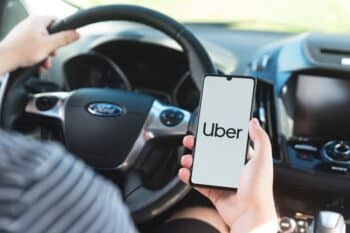
Building a strong rideshare accident claim means gathering proof before it disappears, since app-based trip records are not always kept indefinitely.
- Trip data and GPS logs showing the driver’s route and app status at the time of the crash
- Screenshots of the driver’s profile, ratings, and trip confirmation from the rideshare app
- A copy of the police report filed at the scene
- Medical records connecting your injuries directly to the crash
- Statements from any witnesses who saw what happened
Our St. Louis rideshare accident team regularly requests this kind of data directly from Uber and Lyft as part of building a claim, since the companies do not always volunteer it without a formal request.
FAQ for Rideshare Accident Lawyer
Yes, we represent injured passengers, drivers, and other motorists hurt in rideshare crashes across the Metro East and St. Louis areas. We work directly with the layered insurance coverage that Uber and Lyft carry, and consultations are free.
Call 618-641-9189 anytime to talk through what happened.
Missouri gives injured people five years from the date of the crash to file a personal injury lawsuit under RSMo 516.120, which is considerably longer than the Illinois deadline. A crash in St. Louis City or St. Louis County falls under that five-year window, while a crash across the river in the Metro East falls under the two-year Illinois deadline.
We work on a 33% contingency fee, meaning payment comes as a percentage of what we recover for you. There is no upfront cost to start a rideshare accident case with our firm, and you owe nothing if we do not recover money on your behalf.
Talking with a lawyer before you file an in-app report or speak with an adjuster helps protect what you say from being used to reduce your claim later. Hipskind & McAninch is available 24/7 at 618-641-9189 if you need to talk through next steps right away.
Free consultations are available by phone, video, or in person, based on what works best for your situation and your injuries.
Illinois law gives injured people two years from the date of the crash to file a personal injury claim under the Illinois Code of Civil Procedure, 735 ILCS 5/13-202. Some circumstances can shorten or extend that window, so it helps to confirm your specific deadline early.
Yes, under Illinois’ modified comparative fault rule found in 735 ILCS 5/2-1116, an injured person can recover damages as long as they are not found more than 50 percent at fault, though any award is reduced by their share of fault.
Missouri applies a pure comparative fault rule instead, which lets an injured person recover damages reduced by their own share of fault, with no percentage cutoff.
Yes, coverage often depends on whether the driver’s app was on, off, or actively running a trip, since Uber and Lyft carry different insurance tiers for each status.
Maybe, depending on the facts. Rideshare companies structure their business to limit direct liability, so claims usually run through the applicable insurance policy rather than a lawsuit against the company itself, though exceptions exist.
If another motorist caused the crash while you were riding in a rideshare vehicle, you may have a claim against that driver’s own insurance policy in addition to any rideshare coverage that applies.
Yes, since rideshare companies and their insurers have a financial interest in keeping claims tied to the driver’s personal policy rather than the larger commercial one.
Talk to a Rideshare Accident Lawyer About the Specifics of Your Case
A rideshare crash puts you up against companies that write their insurance specifically to limit what they pay, and untangling which policy applies should not fall on you while you are trying to recover.
Hipskind & McAninch, LLC offers free consultations and is available 24/7 at 618-641-9189. Big firm result, small firm care. Every case, every time.